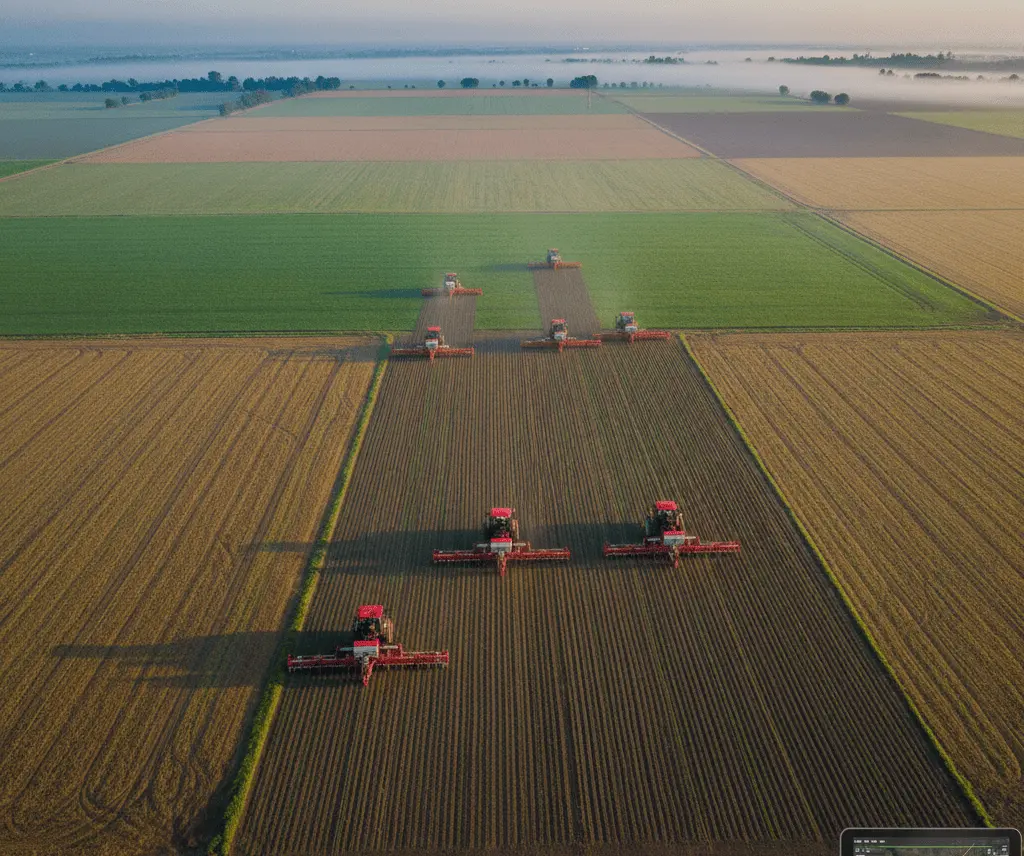
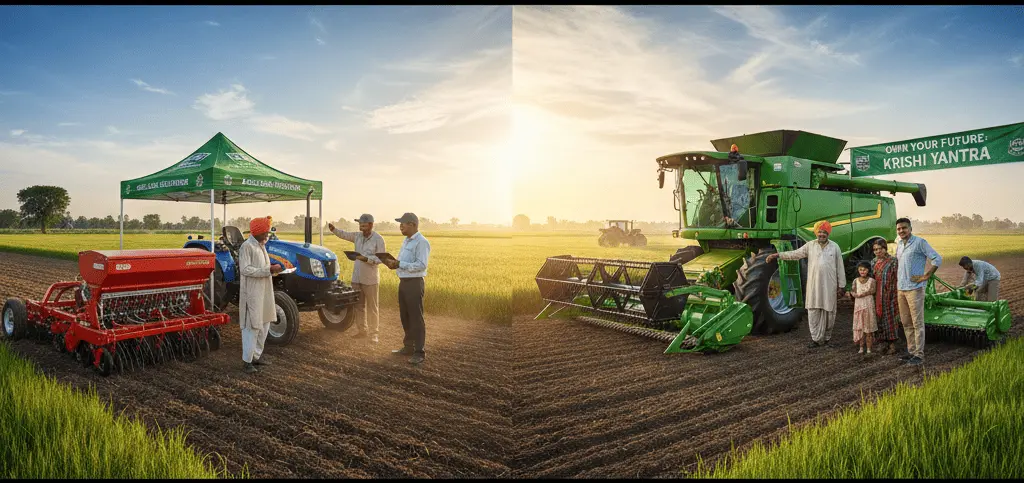
India is primarily an agricultural country, with millions of farmers depending on farming for their livelihood. Traditional farming methods, though time-tested, are labor-intensive, inefficient, and often result in lower yields. With the rising population and increasing food demand, mechanization in agriculture has become essential.
Farm machinery not only reduces labor costs but also enhances productivity, ensures timely sowing and harvesting, and contributes to sustainable farming. Modern Indian farmers are increasingly adopting tractors, seed drills, harvesters, sprayers, irrigation systems, and other innovative tools to stay competitive and profitable.
Importance of Farm Machinery
- Increased Productivity: Machines complete tasks faster than manual labor, covering larger areas efficiently.
- Cost Efficiency: Reduces dependence on seasonal labor, saving money in the long run.
- Precision Farming: Modern machinery allows accurate sowing, spraying, and irrigation, increasing yield.
- Sustainability: Optimized use of water, fertilizers, and pesticides reduces environmental impact.
- Improved Crop Quality: Mechanized harvesting reduces post-harvest loss and improves crop quality.
1. Tractors
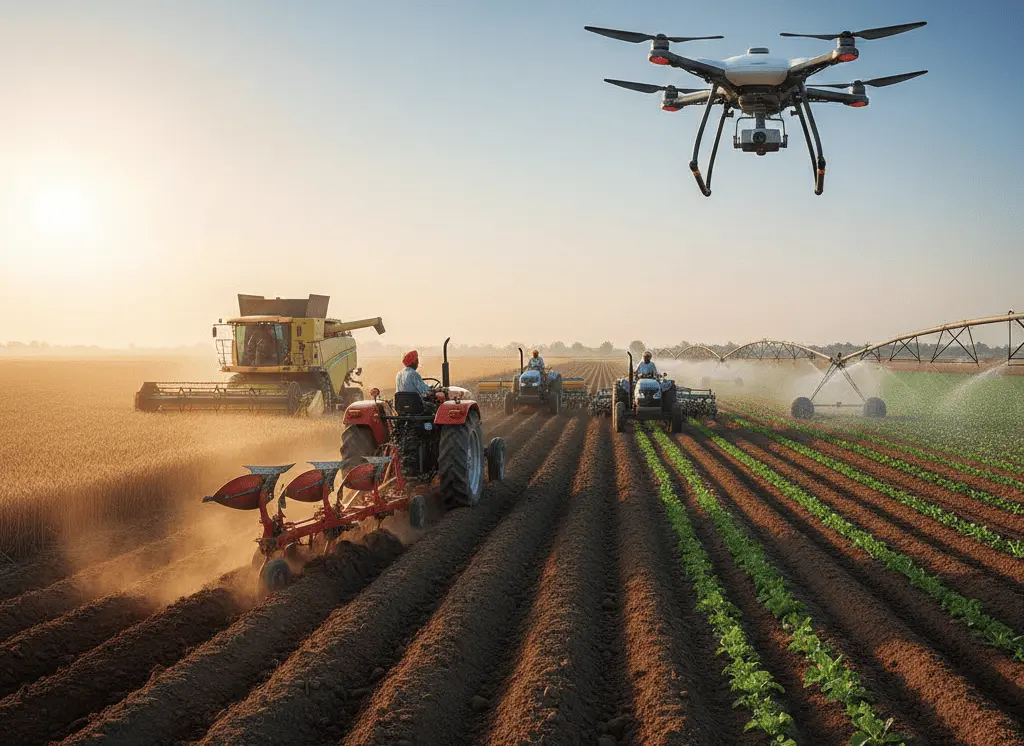
Tractors are the cornerstone of mechanized farming. They are versatile, robust, and indispensable for tasks ranging from plowing and sowing to transporting goods.
Types of Tractors
- Utility Tractors: General-purpose, suitable for small to medium farms.
- Compact Tractors: Lightweight and ideal for orchards, vineyards, and hilly areas.
- High HP Tractors: Heavy-duty, suitable for large farms and industrial applications.
- Power Tillers: Small, efficient, used in vegetable and small plot farming.
Applications
- Plowing: Prepares soil for sowing.
- Towing Implements: Seed drills, sprayers, and balers.
- Transportation: Carrying crops, fertilizers, and farm equipment.
- Custom Attachments: Loaders, backhoes, bale handlers, and more.
How to Choose the Right Tractor
- Horsepower (HP):
- 20–40 HP: Small farms
- 50–75 HP: Medium farms
- 80+ HP: Large farms
- Fuel Type: Diesel is preferred for efficiency.
- Brand & Service Network: Mahindra, TAFE, Sonalika, John Deere.
- Attachments: Ensure compatibility with existing farm implements.
Maintenance Tips
- Change oil and filters regularly.
- Check tire pressure and hydraulic system.
- Store under a shed to prevent rust and wear.
Pros and Cons Table
Feature | Pros | Cons |
High Power | Handles heavy-duty tasks | Higher fuel consumption |
Versatility | Compatible with multiple implements | Initial investment cost |
Labor Saving | Reduces manual effort | Requires skilled operator |
Durability | Long-lasting with proper maintenance | Maintenance cost |
2. Seed Drills & Planters
Seed drills allow uniform sowing at the correct depth and spacing, improving germination and yield.
Types
- Single-Row Drills: Small farms and vegetable crops.
- Multi-Row Drills: Efficient for wheat, maize, and cereals.
- Pneumatic Seed Drills: Advanced technology with precision control.
Benefits
- Uniform seed distribution.
- Reduced seed wastage.
- Faster sowing over large areas.
Crop-Specific Usage
- Wheat & Rice: Multi-row seed drills.
- Pulses & Oilseeds: Single-row drills.
- Vegetables: Small seed drills or precision planters.
Maintenance
- Regularly clean seed tubes to prevent clogging.
- Check depth and spacing settings.
- Lubricate moving parts.
3. Rotavators & Cultivators
Rotavators and cultivators are essential for soil preparation, aeration, and mixing fertilizers.
Types
- Rotavators: Motorized machines for tilling soil.
- Cultivators: Mix fertilizers and prepare fine seedbeds.
Benefits
- Saves manual labor.
- Enhances soil aeration and moisture retention.
- Prepares uniform seedbeds for better crop growth.
Tips
- Select based on soil type.
- Avoid overuse to prevent soil compaction.
- Regularly check blade condition.
4. Sprayers & Crop Protection Equipment
Sprayers are used for applying fertilizers, herbicides, and pesticides efficiently.
Types
- Manual Knapsack Sprayers: Low cost, small area.
- Tractor-Mounted Sprayers: Large area coverage.
- Battery-Operated Sprayers: Efficient and portable.
Benefits
- Even distribution of chemicals.
- Reduces wastage.
- Saves labor and time.
Safety Tips
- Calibrate before use.
- Wear PPE (gloves, masks, goggles).
- Avoid spraying on windy days.
5. Ploughs
Ploughs are primary tillage equipment that break and turn the soil.
Types
- Disc Ploughs: Works well in hard soils.
- Reversible Ploughs: Can be used in both directions.
- Mouldboard Ploughs: For deep plowing.
Benefits
- Improves soil aeration.
- Enhances moisture retention.
- Controls weeds and crop residues.
6. Harvesters & Combine Harvesters
Harvesters cut, thresh, and clean crops in one go.
Types
- Combine Harvesters: Wheat, rice, maize.
- Reapers: Manual harvesting replacement.
- Specialized Crop Harvesters: Sugarcane, pulses.
Benefits
- Saves time and labor.
- Reduces post-harvest losses.
- Increases speed and efficiency.
7. Balers
Balers compress crop residues into compact bales.
Types
- Hay Balers: For fodder preparation.
- Straw Balers: Wheat, rice straw.
- Silage Balers: For high-moisture crops.
Benefits
- Easier storage and transportation.
- Reduces crop residue wastage.
- Useful for animal feed.
8. Irrigation Equipment
Efficient irrigation improves crop yield and reduces water waste.
Types
- Drip Irrigation: Water directly to roots, high efficiency.
- Sprinkler Irrigation: Even water distribution over fields.
- Water Pumps: For surface and groundwater extraction.
Benefits
- Reduces water wastage.
- Improves crop health.
- Reduces labor.
Maintenance
- Check pipelines and emitters.
- Clean filters regularly.
- Inspect pumps periodically.
9. Threshers
Threshers separate grains from stalks efficiently.
Benefits
- Saves labor.
- Reduces post-harvest losses.
- Improves grain quality.
Types
- Manual Threshers: Small farms.
- Motorized Threshers: Medium farms.
- Combine Threshers: Integrated with harvesters.
10. Fertilizer Spreaders
Even fertilizer distribution is essential for uniform crop growth.
Types
- Manual Spreaders: Small fields.
- Tractor-Mounted Spreaders: Large farms.
- Automatic Spreaders: Precision farming.
Benefits
- Uniform nutrient distribution.
- Reduces fertilizer wastage.
- Increases productivity.
11. Additional Modern Tools & Technology
- Drones: Crop health monitoring, spraying.
- Laser Land Levelers: Uniform field leveling.
- Electric/Autonomous Tractors: Reduce fuel costs, labor.
- IoT Devices: Monitor soil moisture, temperature, crop growth.
12. Maintenance & Safety Tips
- Schedule routine maintenance.
- Store equipment properly.
- Train operators for safe handling.
- Wear PPE while spraying and harvesting.
13. Government Schemes & Financing
- Subsidies for tractors, seeders, and irrigation.
- Crop-specific incentives.
- Cooperative ownership & rental models.
- Farm machinery loans & EMI options.
Frequently Asked Questions
Q1.What is the best tractor for small farms in India?
20–40 HP tractors.
Q2.How often should machinery be serviced?
Every 50–100 hours of use.
Q3.Are seed drills expensive?
₹50,000–₹3,00,000 depending on type.
Q4.Can one person operate a combine harvester?
Yes, designed for single-operator use.
Q5.Which irrigation system saves water?
Drip irrigation.
Q6.Can small farmers afford modern machinery?
Yes, through subsidies, loans, or rental services.
Conclusion
Modern farm machinery is revolutionizing Indian agriculture. From tractors and seed drills to harvesters, irrigation systems, and precision tools, every equipment plays a vital role in enhancing productivity, efficiency, and profitability.
Investing in the right machinery ensures higher yields, reduced labor costs, and sustainable farming practices. Whether you are a smallholder or a large-scale farmer, adopting these top 10 farm machinery and modern tools is essential to stay competitive and successful in the evolving agricultural landscape.